

Voice Search Optimization: Preparing Your Website for the Future
Speak to the Algorithm: Optimizing Your Website for the Growing World of Voice Search 🗣️🔍

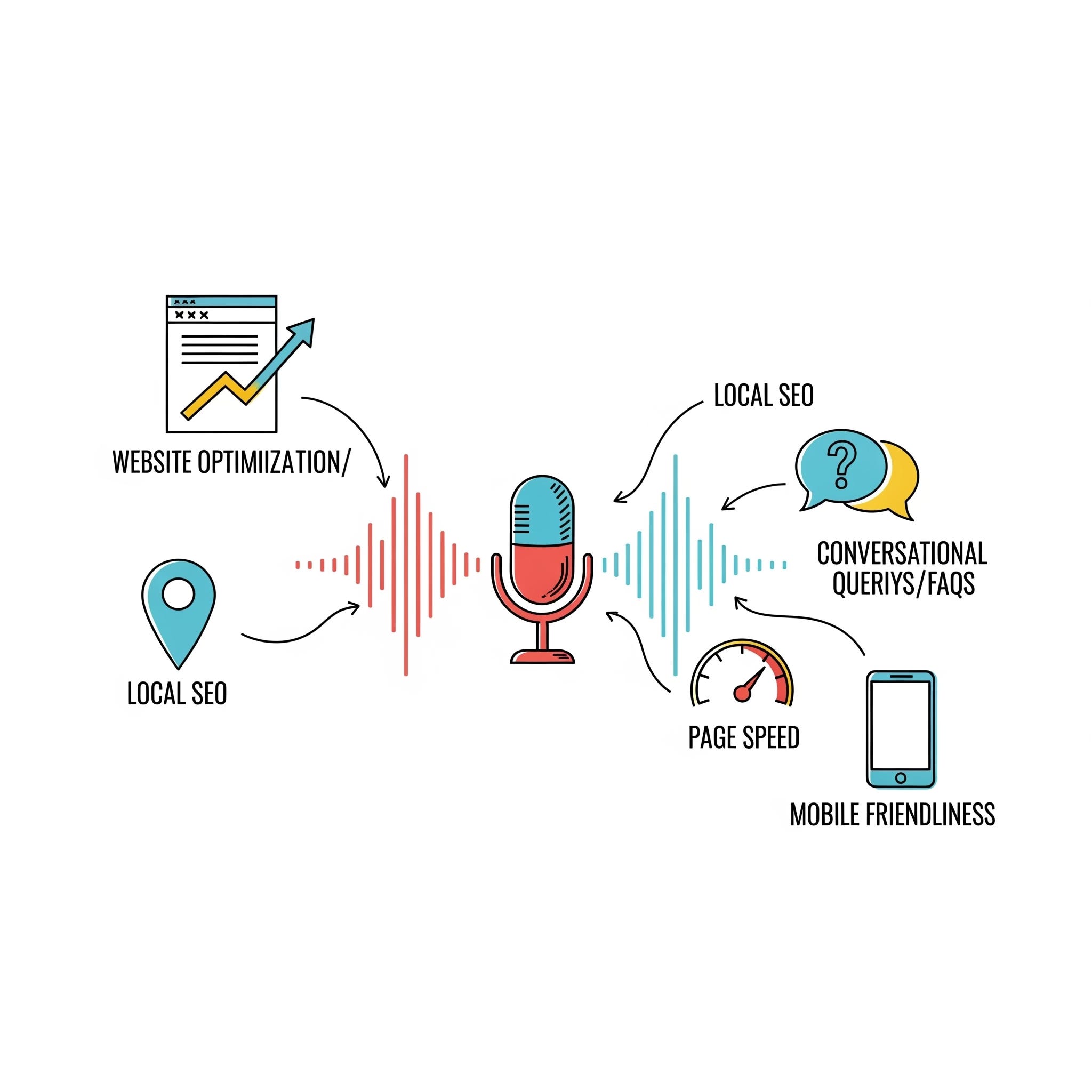
The way people interact with technology and seek information is constantly evolving. While typing queries into search bars remains prevalent, the rise of smart speakers, virtual assistants (like Google Assistant, Alexa, and Siri), and hands-free mobile usage has propelled voice search into the forefront of digital interaction. Users are increasingly speaking their queries, demanding instant, conversational answers. This shift isn't just a trend; it's a fundamental change in search behavior that is reshaping the SEO landscape.
For businesses and website owners, simply optimizing for text-based keywords is no longer sufficient. To maintain visibility, capture new audiences, and stay ahead of the curve, preparing your website for voice search is an absolute necessity. Neglecting voice search optimization means missing out on a rapidly expanding segment of online queries, especially those that are local, immediate, and high-intent. Voice search queries are typically longer, more conversational, and often posed as direct questions, reflecting natural human speech patterns. Understanding these nuances and adapting your SEO strategy accordingly is crucial for long-term success. At Functioning Media, we believe in future-proofing your digital presence. This guide will delve into the trends and predictions surrounding voice search and provide actionable strategies to optimize your website, ensuring it's ready for the spoken web.
Why Voice Search Optimization is Critical for the Future of Your Website 🤔🗣️
The growing adoption of voice technology has profound implications for SEO:
Changing Search Behavior: People are speaking, not just typing. Voice queries are longer, more conversational, and often question-based.
Rise of Smart Devices: The proliferation of smart speakers and voice assistants means more hands-free searches.
Local SEO Impact: A significant portion of voice searches are local ("near me" queries), directly impacting brick-and-mortar businesses.
Instant Answers & Featured Snippets: Voice assistants often pull concise answers from featured snippets ("position zero"), making this real estate more valuable than ever.
Accessibility: Voice search enhances accessibility for users with disabilities, expanding your potential audience.
Convenience & Speed: Users expect immediate, accurate answers, making page speed and direct content crucial.
Future-Proofing: Adapting now positions your brand as forward-thinking and responsive to technological shifts.
Voice Search Optimization: Preparing Your Website for the Future (Trends and Predictions - SEO) 🗣️🔍🌐
Optimizing for voice search requires a strategic shift from traditional keyword-centric SEO to a more conversational, intent-based approach.
I. Focus on Conversational Language & Long-Tail Keywords 💬
Trend: Voice queries are naturally longer and phrased as complete sentences or questions (e.g., "What's the best pizza place near me?" instead of "pizza near me").
How-To:
Identify Conversational Keywords: Use tools like AnswerThePublic, Google's "People Also Ask" section, and your own customer service logs to find common questions related to your products/services.
Integrate Natural Language: Incorporate these long-tail, conversational phrases naturally into your content, headings, and subheadings. Write as if you're answering a direct question.
Think Q&A Format: Structure your content to directly answer common questions. Consider dedicated FAQ pages or sections within relevant articles.
Why it matters: Aligning with natural speech patterns makes your content more likely to be understood and retrieved by voice assistants.
II. Prioritize Local SEO (The "Near Me" Phenomenon) 📍
Trend: A significant percentage of voice searches have local intent, often including phrases like "near me," "in [city name]," or "open now."
How-To:
Optimize Google Business Profile (GBP): Ensure your GBP listing is complete, accurate, and regularly updated with your business name, address, phone number (NAP), hours, services, and photos.
NAP Consistency: Maintain consistent NAP information across all online directories (Yelp, Bing Places, Apple Maps, etc.).
Local Keywords in Content: Integrate location-specific keywords into your website content, especially on contact pages, service pages, and "about us" sections.
Encourage Local Reviews: Positive and frequent customer reviews significantly impact local voice search rankings and build trust.
Why it matters: Voice search is a powerful driver for local foot traffic and service inquiries.
III. Optimize for Featured Snippets (Position Zero) 💡
Trend: Voice assistants frequently pull direct answers from Google's Featured Snippets (also known as "Position Zero") to respond to user queries.
How-To:
Concise, Direct Answers: Structure your content to provide clear, concise answers to specific questions. Aim for answers around 29-50 words.
Question-Based Headings: Use H1, H2, and H3 tags to frame content around common questions ("How to...", "What is...", "Why is...").
Use Lists, Tables, and Bullet Points: These formats are easily digestible for both users and search engines, increasing the likelihood of appearing as a snippet.
FAQs: Create dedicated FAQ pages or sections within longer articles.
Why it matters: Securing a featured snippet often means your content is the only answer spoken by a voice assistant, giving you unparalleled visibility.
IV. Enhance Website Speed & Mobile-Friendliness ⚡📱
Trend: Voice search users expect instant answers, and most voice searches originate from mobile devices.
How-To:
Improve Page Load Speed: Optimize images, minify CSS/JavaScript, leverage browser caching, and use a fast hosting provider. Aim for load times under 2 seconds.
Responsive Design: Ensure your website is fully responsive and provides an excellent user experience on all devices, especially smartphones and tablets.
Google's Core Web Vitals: Pay attention to and optimize for Core Web Vitals (Largest Contentful Paint, First Input Delay, Cumulative Layout Shift) as they are crucial for both SEO and user experience.
Why it matters: Slow or non-mobile-friendly sites will be penalized by search engines and abandoned by impatient voice search users.
V. Implement Structured Data (Schema Markup) 🔗
Trend: Structured data helps search engines better understand the context and specific details of your content, making it easier to pull relevant information for voice queries.
How-To:
Apply Relevant Schema: Implement schema markup (e.g., FAQPage, HowTo, LocalBusiness, Product, Review, Person) to provide search engines with explicit information about your content.
"Speakable" Schema: While still evolving, Google's "speakable" schema can identify parts of your content that are particularly well-suited for audio playback.
Why it matters: Schema markup acts as a universal translator for search engines, increasing your chances of being featured in voice results.
VI. Create Conversational Content & Answer Specific User Intents 🗣️📚
Trend: Voice search is highly intent-driven. Users are looking for quick answers (informational), specific locations (navigational), or ready to buy (transactional).
How-To:
Understand User Intent: Map your content to different search intents. For example, a "What is..." article serves informational intent, while a "Buy now" page serves transactional.
Natural Language Processing (NLP): Focus on writing content that sounds natural when spoken aloud. Avoid jargon where simpler terms suffice.
Authoritative & Trustworthy Content: Google prioritizes high-quality, authoritative sources for voice answers. Build your E-E-A-T (Experience, Expertise, Authoritativeness, Trustworthiness).
Why it matters: Content that directly and concisely addresses user intent in a natural way is more likely to be selected as a voice answer.
The Future of Voice Search (2025 and Beyond) 🔮
Multimodal Search: The integration of voice, text, and visual search will become more seamless. Users might speak a query while showing a picture or looking at a screen.
Personalization: Voice assistants will become even smarter, leveraging user history and context to deliver highly personalized answers. SEO will need to adapt to cater to individual user preferences.
Voice Commerce (V-Commerce): More purchases will be initiated and completed through voice commands, requiring businesses to optimize their e-commerce platforms for seamless voice-enabled shopping experiences.
Multilingual & Regional Voice SEO: Growing demand for optimization in various languages and regional dialects will expand the scope of voice SEO.
AI Advancements: Continued advancements in Natural Language Processing (NLP) and AI will make voice assistants more intuitive, demanding even more hyper-focused and nuanced content strategies.
Voice search is not just a passing fad; it's a fundamental shift in how people interact with the digital world. By proactively embracing these optimization strategies, businesses can future-proof their websites, enhance their online visibility, capture a growing segment of search traffic, and ultimately drive greater success in the evolving landscape of search engine optimization.
Is your website ready for the voice search revolution? Visit FunctioningMedia.com for expert voice search optimization and future-ready SEO strategies that ensure your brand is heard and found in the evolving digital landscape. Speak to us about your future success!
#VoiceSearchSEO #SEOTrends #VoiceSearchOptimization #FutureOfSEO #DigitalMarketing #LocalSEO #FeaturedSnippets #ContentStrategy #MobileSEO #FunctioningMedia