

Measuring Your Brand Building Efforts: Key Metrics to Track
Beyond the Buzz: Quantifying the Impact of Your Brand Building Strategies for Sustainable Growth and Reputation 📊💖

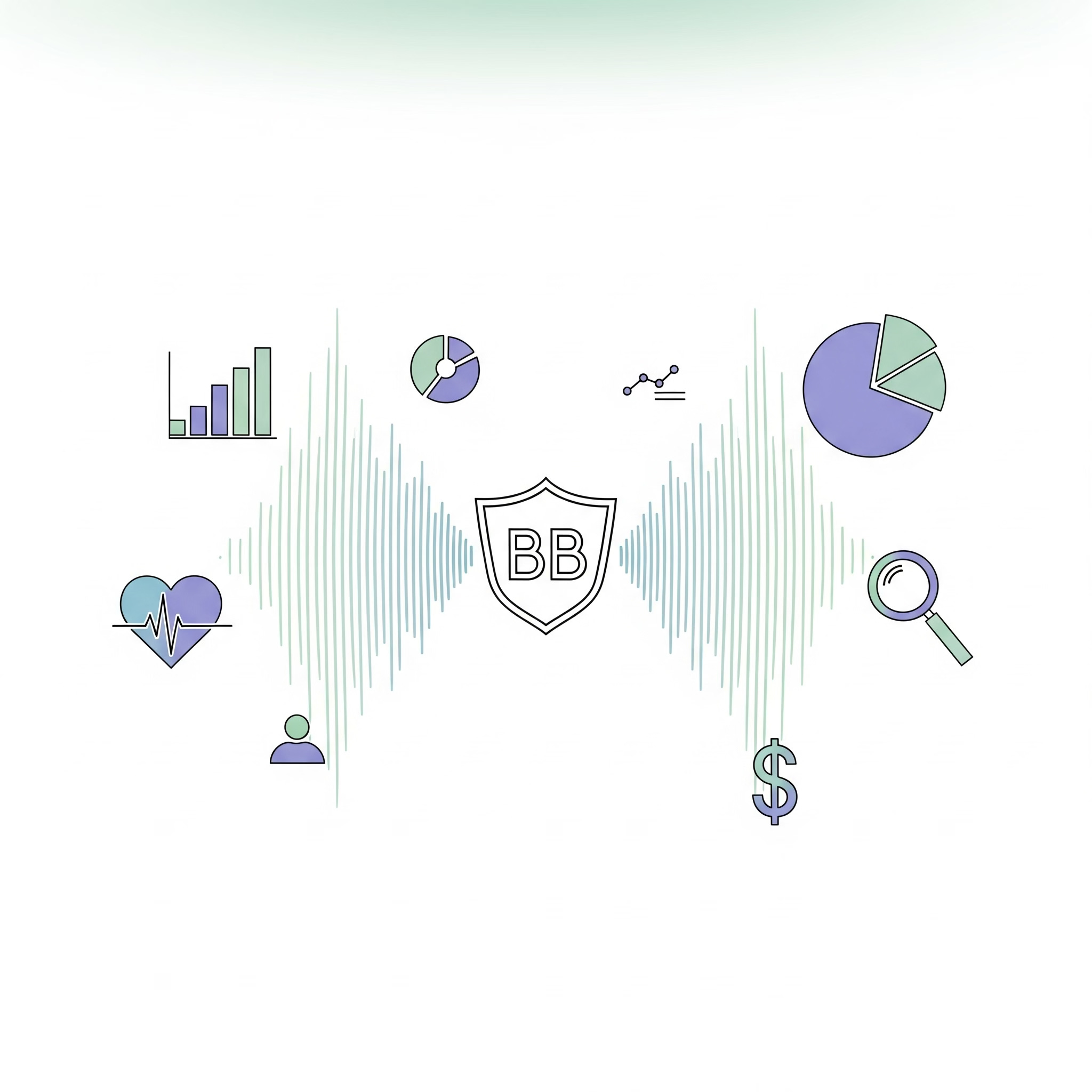
Brand building is often perceived as an intangible, qualitative endeavor – a realm of aesthetics, emotional connections, and subjective perceptions. While the essence of a brand certainly involves these elements, its impact on business success is anything but immeasurable. In today's data-driven world, successful brand building is inextricably linked to strategic measurement. Without tracking key metrics, it's impossible to understand whether your efforts are resonating with your audience, strengthening your market position, or contributing to your bottom line. Guesswork can lead to wasted resources, missed opportunities, and a diluted brand message.
Measuring your brand building efforts transforms an art into a science, providing concrete evidence of your strategies' effectiveness. It allows you to identify what's working, optimize underperforming initiatives, justify marketing investments, and demonstrate the tangible value of a strong brand. For businesses of all sizes, understanding how to quantify brand health and growth is crucial for sustainable success and long-term competitive advantage. At Functioning Media, we believe in data-informed brand strategies. This guide will delve into the essential metrics and best practices for measuring your brand building efforts, helping you to move beyond subjective feelings and truly understand your brand's impact.
Why Measuring Brand Building is Crucial for Your Success 🤔
Quantifying your brand efforts provides actionable insights:
Validates Investment: Justifies marketing spend by demonstrating the ROI of brand building activities.
Informs Strategy: Pinpoints what's working and what's not, allowing for data-driven optimization.
Identifies Strengths & Weaknesses: Reveals areas where your brand is strong or needs improvement.
Tracks Progress Over Time: Monitors growth and changes in brand perception.
Benchmarking: Allows comparison against competitors and industry standards.
Predicts Future Performance: Strong brand metrics often correlate with future sales and market share.
Supports Business Decisions: Guides product development, market expansion, and communication strategies.
Enhances Accountability: Provides clear indicators for marketing teams and stakeholders.
Key Metrics to Track for Measuring Your Brand Building Efforts 📊💖
Brand building efforts manifest across various touchpoints. Therefore, a holistic approach to measurement involves tracking metrics from multiple categories:
I. Brand Awareness Metrics (Are People Recognizing You?) 💡
These metrics tell you how familiar people are with your brand.
Brand Mentions (Volume & Sentiment):
What to Track: How often your brand is mentioned across social media, news sites, blogs, forums, and review sites. Also, track the sentiment (positive, neutral, negative) of these mentions.
Tools: Social listening tools (e.g., Brandwatch, Sprout Social, Mention), Google Alerts, media monitoring services.
Why it matters: Indicates the level of public conversation about your brand and shapes perception.
Website Traffic (Direct & Organic Search):
What to Track:
Direct Traffic: Users who type your URL directly into their browser. High direct traffic indicates strong brand recall.
Organic Search Traffic (Branded Keywords): Users who search for your brand name or specific brand terms (e.g., "Nike shoes," "Functioning Media services").
Tools: Google Analytics, Google Search Console.
Why it matters: Directly reflects how many people are seeking out your brand.
Social Media Reach & Engagement:
What to Track:
Reach: The number of unique users who saw your content.
Impressions: The total number of times your content was displayed.
Follower Growth: Increase in audience size.
Engagement Rate: Likes, comments, shares, saves per post/campaign.
Tools: Native social media analytics (Facebook Insights, LinkedIn Analytics, X Analytics), third-party social media management tools.
Why it matters: Shows how many people are exposed to your brand on social platforms and how actively they interact with your content.
Search Volume for Branded Keywords:
What to Track: The number of times your brand name, product names, or unique slogans are searched for on search engines.
Tools: Google Search Console, Ahrefs, SEMrush, Google Keyword Planner.
Why it matters: A direct indicator of brand interest and recognition in search.
Earned Media Value (EMV):
What to Track: The monetary value of third-party endorsements, mentions, shares, and PR activity, calculated by equating it to what paid advertising would cost for equivalent reach.
Tools: PR monitoring tools, specialized EMV calculators (often part of larger marketing suites).
Why it matters: Quantifies the value of organic buzz and positive word-of-mouth.
II. Brand Perception & Sentiment Metrics (How Do People Feel About You?) 💖
These metrics delve into the emotional and qualitative aspects of your brand.
Brand Sentiment Analysis:
What to Track: The overall emotional tone (positive, negative, neutral) of conversations surrounding your brand. Go beyond just mentions to analyze the context.
Tools: Social listening tools with AI sentiment analysis, specialized text analytics software.
Why it matters: Direct insight into public opinion and how your brand is perceived.
Net Promoter Score (NPS):
What to Track: A widely used customer loyalty metric based on one simple question: "On a scale of 0-10, how likely are you to recommend [Brand/Product/Service] to a friend or colleague?"
Promoters (9-10): Loyal enthusiasts.
Passives (7-8): Satisfied but unenthusiastic.
Detractors (0-6): Unhappy customers.
Tools: Survey software (e.g., SurveyMonkey, Qualtrics), dedicated NPS tools.
Why it matters: Measures customer loyalty and willingness to advocate for your brand, a strong indicator of brand health.
Brand Association (Surveys & Word Clouds):
What to Track: What qualities, values, or attributes do people associate with your brand? What words come to mind?
Tools: Surveys (open-ended questions, semantic differential scales), focus groups, qualitative analysis of online mentions (word clouds).
Why it matters: Ensures your brand messaging is landing as intended and reveals subconscious perceptions.
Customer Reviews & Ratings:
What to Track: Average star ratings on platforms like Google My Business, Yelp, G2, Trustpilot, App Stores, and industry-specific review sites. Analyze themes in review text.
Tools: Review monitoring platforms, direct platform analytics.
Why it matters: Powerful social proof and direct feedback on customer experience, heavily influencing purchase decisions.
III. Brand Performance & Value Metrics (Is Your Brand Driving Business Results?) 📈💰
These metrics connect brand building efforts to tangible business outcomes.
Customer Lifetime Value (CLTV):
What to Track: The total revenue a customer is expected to generate for your business over their relationship with your brand.
Tools: CRM systems, analytics platforms.
Why it matters: A strong brand fosters loyalty, leading to higher CLTV.
Customer Acquisition Cost (CAC):
What to Track: The cost associated with acquiring a new customer.
Tools: Marketing analytics, financial reporting.
Why it matters: A stronger, more recognized brand often lowers CAC because customers are more receptive and require less convincing.
Conversion Rates (Branded vs. Non-Branded Traffic):
What to Track: Compare the conversion rates (e.g., sales, lead submissions) of traffic that explicitly searched for your brand versus generic searches.
Tools: Google Analytics, e-commerce platforms, CRM.
Why it matters: Higher conversion rates for branded traffic indicate stronger purchase intent driven by brand recognition and trust.
Market Share:
What to Track: Your brand's percentage of total sales within its market.
Tools: Industry reports, market research firms, internal sales data.
Why it matters: A strong brand can gain and maintain a larger share of the market.
Brand Equity (Complex, Often Measured through Surveys):
What to Track: The added value a recognized brand name gives to a product or service. Often measured through surveys assessing perceived quality, loyalty, awareness, and brand associations compared to generic alternatives.
Tools: Market research agencies, bespoke surveys.
Why it matters: Represents the cumulative impact of all brand-building efforts on customer preference and willingness to pay a premium.
Best Practices for Measuring Brand Building Efforts:
Define Clear Objectives: What specific aspect of your brand are you trying to improve (awareness, perception, loyalty)?
Establish Baselines: Measure your current brand health before launching new initiatives.
Be Consistent: Track metrics regularly (monthly, quarterly) to identify trends.
Use a Mix of Quantitative & Qualitative Data: Numbers tell you "what," but qualitative insights tell you "why."
Segment Your Data: Analyze metrics by different audience segments, demographics, or geographic regions.
Benchmark Against Competitors: See how your brand stacks up against others in your industry.
Correlate Brand Metrics with Business Outcomes: Look for links between increased brand awareness/sentiment and sales, leads, or CLTV.
Use Dashboards: Create centralized dashboards to visualize your brand metrics at a glance.
Measuring brand building efforts is no longer a luxury but a strategic necessity. By systematically tracking these key metrics across awareness, perception, and performance, you can gain profound insights into your brand's health, demonstrate its value to the business, and continuously refine your strategies for enduring growth and a dominant market presence.
Ready to transform your brand building from guesswork to data-driven success? Visit FunctioningMedia.com for expert brand strategy and analytics services that help you define, build, and accurately measure the impact of your brand in the market. Let's quantify your brand's power!
#BrandBuilding #BrandMetrics #BrandAwareness #BrandPerception #BrandMeasurement #MarketingAnalytics #BrandStrategy #DigitalMarketing #BusinessGrowth #FunctioningMedia